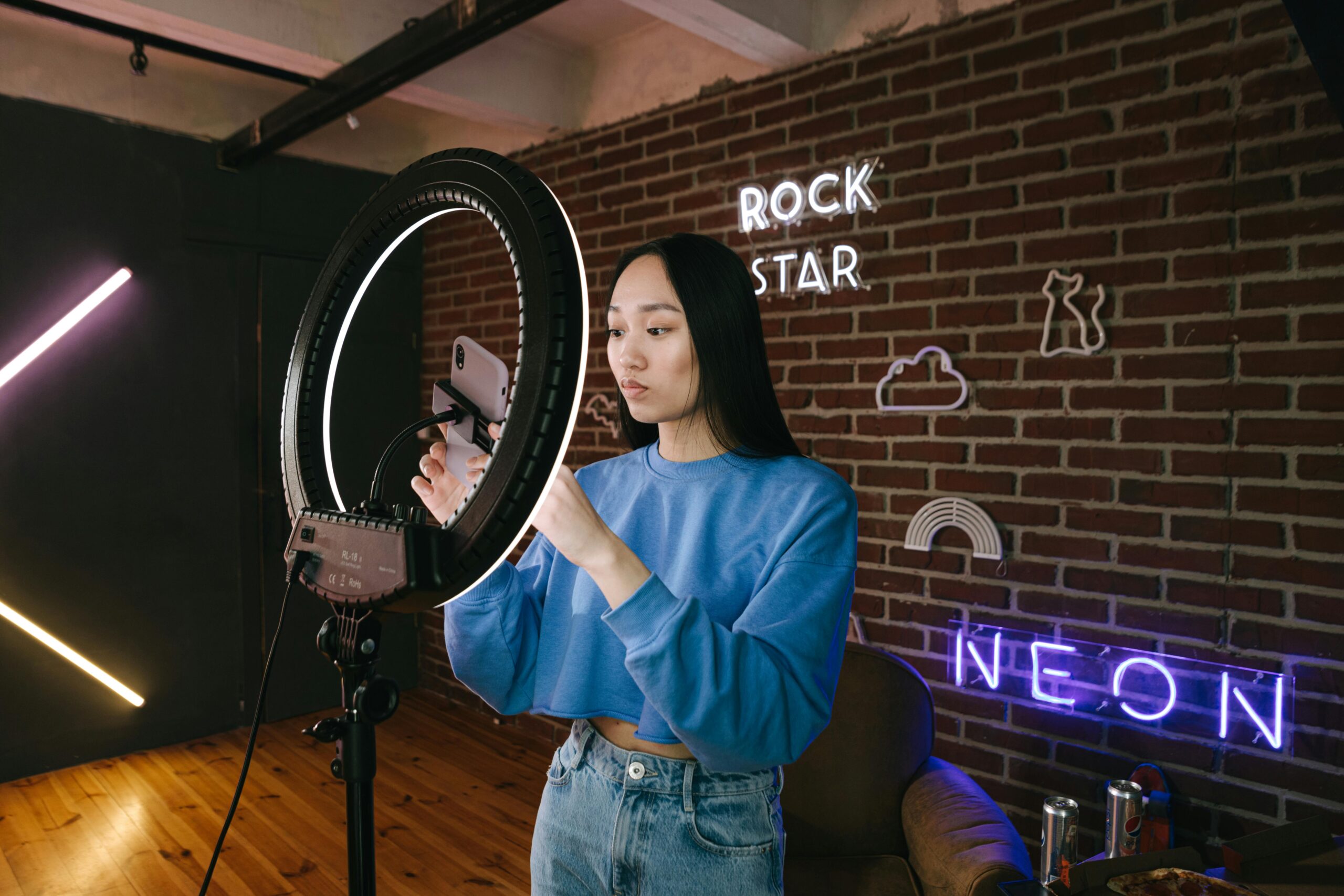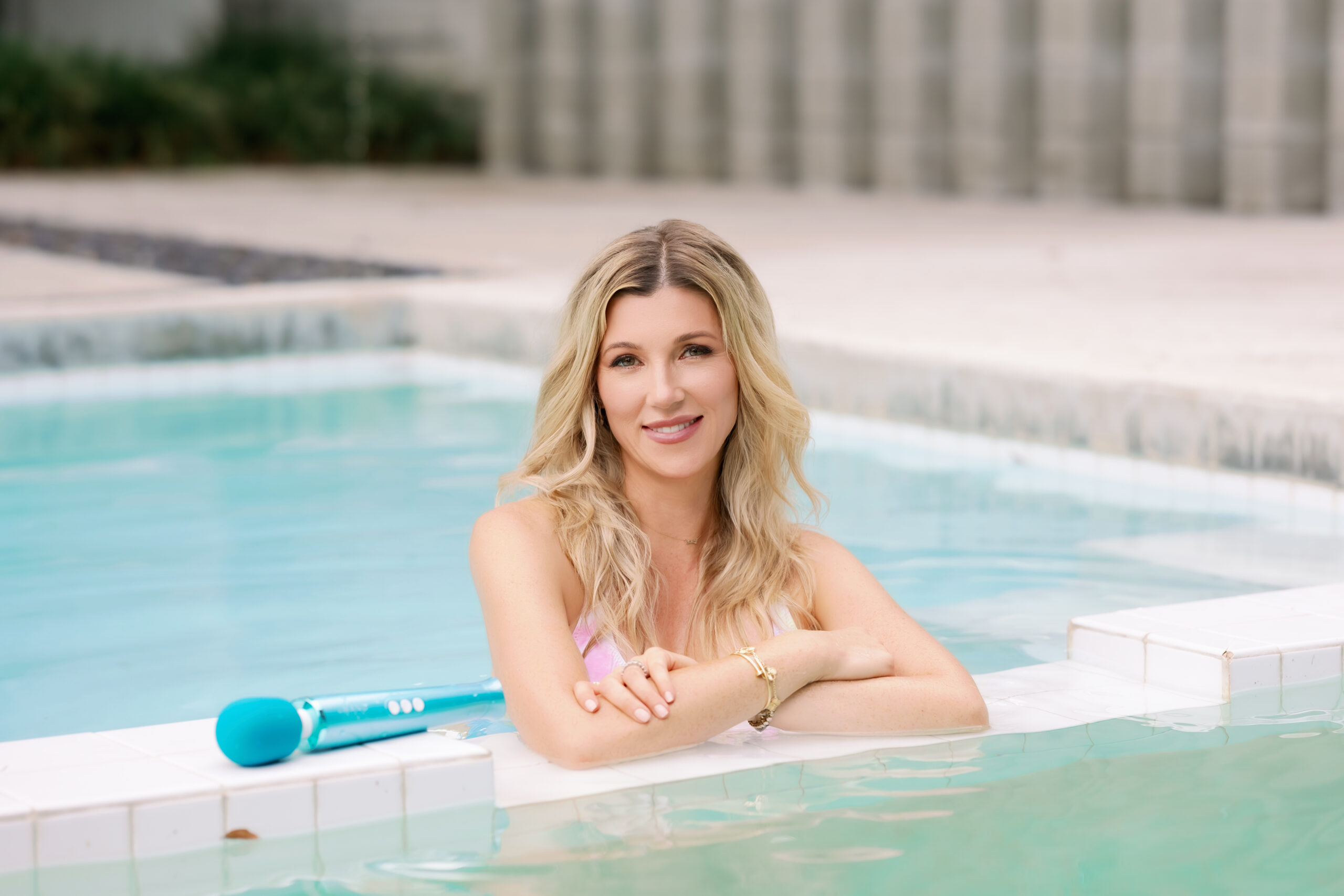
The creator economy has shifted drastically, and with that, so has the way we approach and evaluate influencers at Little Leaf Agency. When it comes to choosing influencers for sex toy brands, public relations and communications agencies don’t just take stock of whether the influencer is a good fit for the brand; they look beyond vanity metrics and take a more holistic view of the creator, their followers, and their account health.
Since sexual wellness is so deeply personal (and not to mention highly regulated), selecting a good influencer match requires a thoughtful blend of industry expertise, intuition, and analytics. Here’s what we look for:
1. Audience fit and reach
Reach isn’t just about how many followers you have. In a world where followers can be bought, it’s more about what kind of authentic audience an influencer activates and how that determines how we choose influencers for sex toy brands. At Little Leaf Agency and like-minded businesses, we assess niche relevance within the field, authenticity of engagement (i.e, how many people are engaging vs bots), demographics like age, location, and interests, and the average impressions and reach of a creator’s posts.
While on paper an influencer with 200,000 followers may look impressive, a highly engaged following of 20,000 will often outperform a larger but more passive (or mismatched) audience.
2. Account health and brand safety
Brands in less scrutinized industries aren’t held to such strict content standards and platform restrictions, but for sexual wellness brands, every little thing is held under a microscope. This is why account health is an essential factor that Little Leaf Agency and other PR agencies look for when partnering a content creator with one of our brands.
When looking to choose influencers for sex toy brands, we look for accounts with minimal or ideally no strikes and shadowbans, creators that know how to comply with platform guidelines and have experience navigating sexual wellness content without triggering flags, and consistent posting without any major drops in visibility.
3. Metrics that matter (and invoke trust)
We always opt for engagement over vanity metrics! On the surface, a creator that gets tons of likes on their posts might seem like a more of attractive choice, but it’s the quality of that engagement that matters.
At a sexual wellness PR agency like Little Leaf, team members measure comments that genuinely reflect interest (not just emojis) and saves or shares, especially for content with an educational focus or centered on a product. Other metrics that matter include DMs and stories that reflect community feedback. Another important factor in us determining influencers for sex toy brands? The creator’s broader ability to start discussions about pleasure and intimacy in a way that’s accessible and shame-free.

4. Multimedia content and creativity
Having an engaged audience isn’t enough in 2026. Top-quality influencers will be able to meet a key need that sexual wellness brands have: storytelling with a hook and a narrative, across a variety of platforms. For video formats, this might include Reels, TikTok videos, and filmed YouTube demos, as well as the ability to capture high-quality photos.
For audio content that comes in the form of polished voiceovers and podcasts. And finally, written content like reviews, guides, and blog posts matters. In all of the above, a proficiency and comfort level in discussing pleasure and anatomy come first.
5. Long-term partnerships
Gone are the days when brands would randomly partner with a creator for a one-off post. The sexual wellness industry is all about community and trust, and that plays a major role in how we pick influencers for sex toy brands. A one-time post can’t build that trust, especially with something as intimate as trying a sex toy for a first time or exploring kink. That’s why at Little Leaf Agency, we put continuity front and center.
We seek out creators that can act as long-term ambassadors and align with the brand’s values, creators like kink consultants who can speak to niche communities from an expert perspective, and sex-ed authorities who have an ongoing relationship that they continue to develop with their followers. This tactic allows for better conversation, credibility, and audience retention, as well as more authentic storytelling.
6. Affiliate partnerships are another form of authentic advocacy
Creators who have successful relationships with sex toy brands and sexual wellness content are often equally talented when it comes to affiliate partnerships and commission-based models.
Our affiliate manager might look for past affiliate performance, proficiency with affiliate programs, and a history of making strong product recommendations in direct or adjacent categories like relationships and wellness. When researching influencers for sex toy brands, we also look for comfort in discussing factors such as features and value, as well as personal experience with a product.